Busoni’s Epic Journey
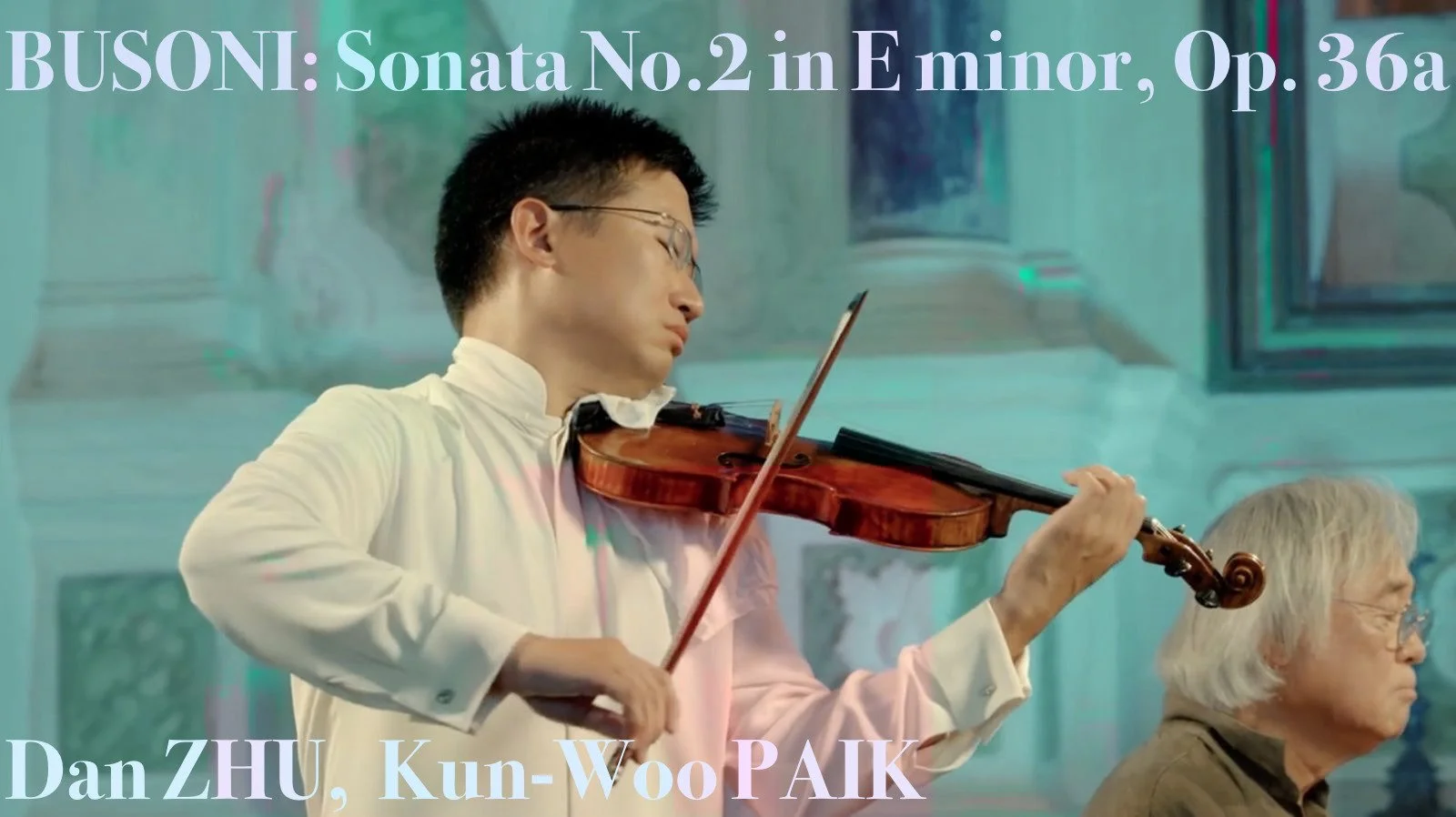
Watch new concert video: Ferruccio Busoni - Sonata no. 2 in E minor, Op. 36a
When people think of Busoni, often immediately label him as the Bach’s transcriber, the two became almost inseparable as “Bach-Busoni”. The fact people seem to forget or ignore is what a bridge and pionnering figure he was straddled the late Romantic and Modernist eras, not to mention the over 300 original opus he composed ranging from large-scale orchestral pieces and operas to innovative solo and chamber music works.
Yes, without doubt Johann Sebastian Bach’s music was a huge inspiration and textbook to Busoni’s composition. Across three decades, Busoni published multiple volumes of arrangements of Bach’s organ and choral works for the piano. Well aware of the criticism he would receive for the liberties he took with Bach’s intentions, Busoni left a defiant note amid a 36-page essay on his approach to Bach that read, “Musical commoners still delight in decrying modern virtuosi as spoilers of the classics; and yet Liszt and his pupils have done things for spreading a general understanding for Bach and Beethoven beside which all theoretical-practical pedantry seems bungling, and all brow-puckering cogitations of stiffly solemn professors unfruitful.”
Busoni’s Sonata No. 2 for Violin and Piano, both in the estimation of the composer and musicologists, represents an arrival of the composer’s ideas into his mature later style. Structurally owing to Beethoven’s Piano Sonata No. 30, Op. 109, and thematically channeling Bach, Busoni starts his three-movement sonata with a solemn, slow piano introduction in E minor, which echos and answered at the very end of the whole sonata but in E major. Followed by two themes: the first a wistful and pensive violin melody, the second offering in contrast with joy and fire. The ensuing fast movement, which lasts only a few minutes, is a tarantella: a 6/8 folk dance from southern Italy. In a letter to his wife, Busoni described the contrasting second movement as “like going into a thickly populated street on coming out of the Forum, or like a national festival in full swing in front of the Pantheon.” Lasting almost twice as long as the previous two movements combined, the third and finale is a theme and variations based on J. S. Bach’s “Wie wohl ist mir” chorale theme from the second notebook for Anna Magdalena Bach, whose opening happens to coincide with the bass at the beginning of Beethoven’s variations.. After the statement of the theme, Busoni transforms the material over the course of six wide-ranging variations, unlike in the Beethoven, there is a long section in the minor of distinctly Bachian cast.
Busoni himself later said it was with this sonata that he found his way as a composer, considered it as his real Opus 1. I have always been admiring and deeply connected to his music since young age, from listening to his keyboard music, Fantasia contrappuntistica, Piano concerto in C major, Op. 39, etc. This Sonata no. 2 is one of my very beloved pieces from the Romamtic era, no less important than the much populated 3 Brahms sonatas or the only violin sonata by Richard Strauss. It’s been a privilege to share this profound masterpiece with piano maestro Kun-Woo Paik on our recital tour “Soulful Journey”, hope you will also enjoy this Concert Video.
